

Alcohol and Stress Awareness Under the Spotlight

Lourdes Lopez-Martinez
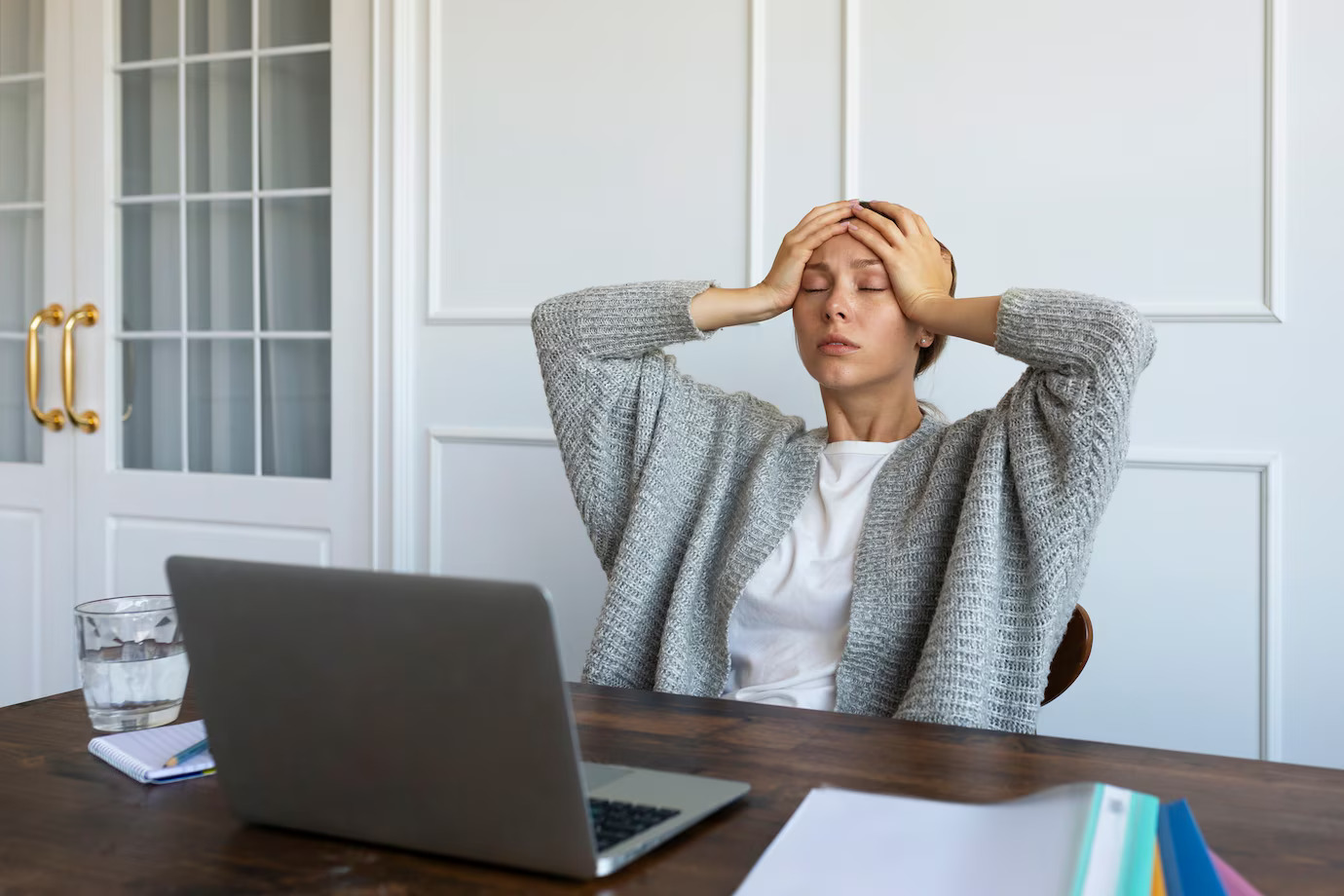
Table of Contents
It’s been a long day – the kind that leaves your shoulders tense and your mind racing. Deadlines may have been missed, meetings extended beyond their purpose, and the commute home was the final straw. You collapse onto the couch, and that glass of wine at the end of the day becomes a coping mechanism – a way to decompress and prevent total burnout. Its a familiar scene for many – a ritual that feels like a lifeline.
But have you ever paused to ask yourself: Is this glass of alcohol truly helping me cope – or is it just suppressing the built-up stress? In high-pressure environments or emotionally overwhelming moments, turning to alcohol for relief is common. It’s socially accepted, even encouraged. Yet, the question remains: Does it genuinely relieve stress or offer a temporary escape?
This blog aims to delve into the psychological link between alcohol and stress use. Examine whether alcohol truly helps and explore stress and alcohol awareness.
Understanding the Stress-Alcohol Connection
What is Stress?
Stress is your body’s response to a perceived threat. There are different kinds of stress. It can be short-term or long-lasting.
- Short-term Stress: It is like a near-miss car accident. It can trigger a fight-or-flight response. Your heart races. Your muscles tense. You’re on high alert. Then, it passes.
- Long-term Stress: It is a different beast. It lingers. It builds over time, from that looming project deadline, financial pressures, or emotional strains. When your body stays in overdrive, your mind starts reaching for anything that might bring relief.
Common symptoms include:
- Headaches
- Muscle tension
- Fatigue
- Irritability
- Anxiety
- Sleep disturbances
Why Do People Turn to Alcohol?
The first sip might feel like an exhale. There’s science behind alcohol and stress relief: alcohol increases dopamine, giving your brain a short-term boost in pleasure, and it activates gamma-aminobutyric acid (GABA), a neurotransmitter that slows brain activity and gives that feeling of calm and relaxation.
It’s no wonder people turn to it. It works for a moment.
Plus, we live in a culture that emphasizes alcohol. From memes to social gatherings, the message is clear: “You’ve had a rough day – you deserve a drink.”
But the question is.
- Does alcohol really reduce stress?
- Does alcohol help with anxiety, or does it make it worse over time?
- Is alcohol offering a true relief, or just covering up a deeper problem?
While alcohol may provide temporary relief, It doesn’t address the root cause of stress. Instead, it can worsen stress over time. The initial soothing effect is short-lived. As the alcohol wears off. Stress levels can rebound, often more intensely. This cycle can lead to increased consumption. It creates a dependency that hides the underlying issues without resolving them.
What Alcohol Really Does to Your Brain and Body Under Stress
Let’s get into science. Don’t worry. We’ll keep it real.
When you drink, alcohol slows down your central nervous system. That’s why you might feel looser. Less tense. Even sleepy. But this calming effect is a trick—it masks your stress. It doesn’t solve it.
Behind the scenes, your body’s working overtime. After the initial sedation, it rebounds. Stress hormones like cortisol surge as your brain tries to restore the balance that alcohol disrupts. You might not notice it instantly, but your system starts revving back up. Anxiety sneaks in. Sometimes, the day after drinking, it hits like a wall—racing heart, pit in your stomach, mental fog.
That’s “hangxiety.” It’s real. It is more common than you think.
Alcohol also messes with your sleep. Sure, it might help you fall asleep faster. But it blocks your ability to reach the deep, restorative stages – especially REM sleep. This is when your brain processes emotions, forms memories, and resets itself. Without that, you wake up dizzy, irritable, and emotionally unstable.
Long-term use of alcohol, especially to cope with ongoing stress, can dull emotional regulation. Instead of bouncing back from a bad day, you might become more reactive, less patient, and more likely to spiral when things go sideways.
What starts as a stress-relief tool becomes a source of emotional instability. The very thing we hoped would help ends up hijacking our well-being.
Signs You Might Be Using Alcohol to Cope Stress
This part is essential. Because stress and alcohol awareness are everything.
Ask yourself:
- Is alcohol your first move when you’re overwhelmed?
- Do you find it hard to relax without it?
- Has your tolerance increased? Do you need more now to feel the same level of relief?
- Do you feel uncomfortable when you try to stay back?
- Do you ever feel guilt or regret after drinking?
Maybe you don’t drink every day. Perhaps it’s not always “too much.” But if alcohol is consistently your fallback when life gets heavy, that’s a sign. A pattern. That’s a sign. A pattern.
And the thing about patterns? Left unchecked, they shape your life.
You might start depending on alcohol to socialize. To wind down. And even to sleep.
The shift can be subtle. But over time, it chips away at your confidence, clarity, and ability to manage stress independently.
The Risks – Stress And Alcohol Awareness
Let’s go deeper.
The more frequently you use alcohol to deal with stress, the more likely your brain becomes wired to rely on it. That’s how dependency begins – not overnight, not with a dramatic crash, but slowly, in the background. It’s quiet and easy to miss.
And if you’ve experienced trauma, anxiety, or depression, the risk is even greater. Alcohol might numb the symptoms for a while. But it also numbs your capacity to process, heal, and regulate. It becomes a shield—and not in a protective way.
There’s also a ripple effect. Drinking might make you snappier at home. Less productive at work. Or more withdrawn from friends. It can worsen your fatigue, tank your motivation, and slowly chip away at your physical health—raising your risk for liver disease, immune dysfunction, and even heart problems.
The scariest part? You might not notice the damage until it’s already done.
That’s why stress and alcohol awareness matter. It’s not about shame. It’s about staying in control of your life before stress and alcohol quietly start steering the wheel.
What Can You Do Instead? Healthier Coping Strategies
Here’s the hopeful part: There are other ways to unwind, process, and heal-ones that don’t leave you feeling worse the next day.
- Breathe. Literally. Deep breathing—yes, that cliché you’ve probably rolled your eyes at—works. It calms your nervous system in real-time. Try box breathing: inhale for the count of 4, hold to the count of 4, exhale for 4, hold for 4. Repeat.
- Mindfulness and journaling are also great approaches to relaxing the mind. You don’t need a flowery setup. Take out five minutes, a pen, and allow your thoughts to land somewhere safe.
- Exercise is a natural mood stabilizer. It releases endorphins, reduces cortisol, and allows you to physically process what your brain is holding.
- Connection matters, too. Reach out to a friend. Say something real. Let someone in. You don’t have to vent or explain everything. Sometimes, just being heard lightens the load.
- Create wind-down rituals that feel nurturing. Swap wine for a warm bath, herbal tea, stress relief drinks, or a novel you can sink into. Dim the lights. Light a candle. Teach your body a new language of comfort.
- Resilience is built, not born. It starts with recognizing your triggers. What sets off that “I need a drink” urge? Stress? Loneliness? Exhaustion? Stress and alcohol awareness are the first steps to breaking the loop.
- Then comes the practice: grounding techniques, emotion regulation, and self-compassion. It’s not magic—it’s skill. One you can learn.
When to Seek Help
So, how do you know if it’s time to talk to someone?
If drinking feels less like a choice and more like a need- that’s a sign. If it’s the only thing that seems to take the edge off, or if you’ve tried to cut back and struggled—it’s worth exploring.
Support doesn’t have to mean rehab or labels. It can mean a therapist who gets it. A peer support group. A counselor trained in addiction or trauma-informed care.
At Insight Choices, our team includes professionals who understand the intersection of stress, alcohol, and emotional health. We’ve seen how hidden this pattern can be. And how powerful change is when it starts from a place of empathy, not shame.
Early support is a gift to yourself. The earlier you reach out, the gentler the path forward tends to be. And guess what? You don’t have to be at rock bottom to get help. You have to be ready for something better.
Conclusion
If you’ve ever thought, “I’m just using it to cope.” You’re already halfway to understanding.
Because you’re not alone. Not by a long shot.
So here’s the question. What would stress relief look like? If it didn’t have to come from a bottle?
Maybe it’s a walk outside. Perhaps it’s laughing with someone who sees you. Maybe it’s therapy or meditation. Or simply letting yourself rest without guilt.
Whatever it is, it starts with curiosity. Not criticism.
If this blog feels familiar, or if you’ve been wondering about your relationship with alcohol. Consider this your gentle nudge. Talk to Insight Choices. Explore new ways to care for yourself. You deserve that. And you don’t have to do it alone.
FAQs
Do you reach for a drink when you’re overwhelmed or emotionally drained?

Maybe it’s not every time. But often enough that it’s become your fallback. The chaos hits, your chest tightens, and suddenly, the idea of a glass in hand feels like safety. Relief. Escape. Except, it’s only temporary. That overwhelm? It usually waits around, quieter but still humming underneath.
Is alcohol your go-to way of winding down after a stressful day?
Some nights, it’s just a ritual. Pour, sip, breathe. Other times, it feels like the only way to switch your brain off. And yeah, maybe it works at the moment. But what happens when the bottle runs dry, and the stress still lingers? You might start to wonder if this habit is helping. Or hiding the noise.
Have you noticed your anxiety creeping back stronger the morning after drinking?
You wake up, and it’s not calm. There’s a buzz of unease. Thoughts racing. Regret whispering. It’s not just the hangover. It’s “hangxiety,” and it’s real. That calm from the night before? It’s flipped, and your nervous system is on high alert again. Funny how that supposed stress relief comes full circle.
Are you using alcohol to numb difficult emotions instead of addressing them?
Sometimes, it’s not about the drink. It’s about what you’re trying not to feel. Anger, grief, shame, exhaustion. And numbing works. Until it doesn’t. Those feelings? They don’t disappear. They wait behind the curtain, a little louder each time. You don’t need to drown them. You need to be heard.
What would stress relief look like for you if alcohol weren’t an option?
Seriously, imagine it. No crutch. No quick fix. Just you—and something softer. Maybe it’s deep breaths under a blanket. A walk in silence. A call with someone who gets it. What if you built a ritual that healed, not just masked? What if peace didn’t have to come from a bottle?
Share this