

PTSD Recovery In 2025: A Comprehensive Guide To Healing And Treatment

Lourdes Lopez-Martinez
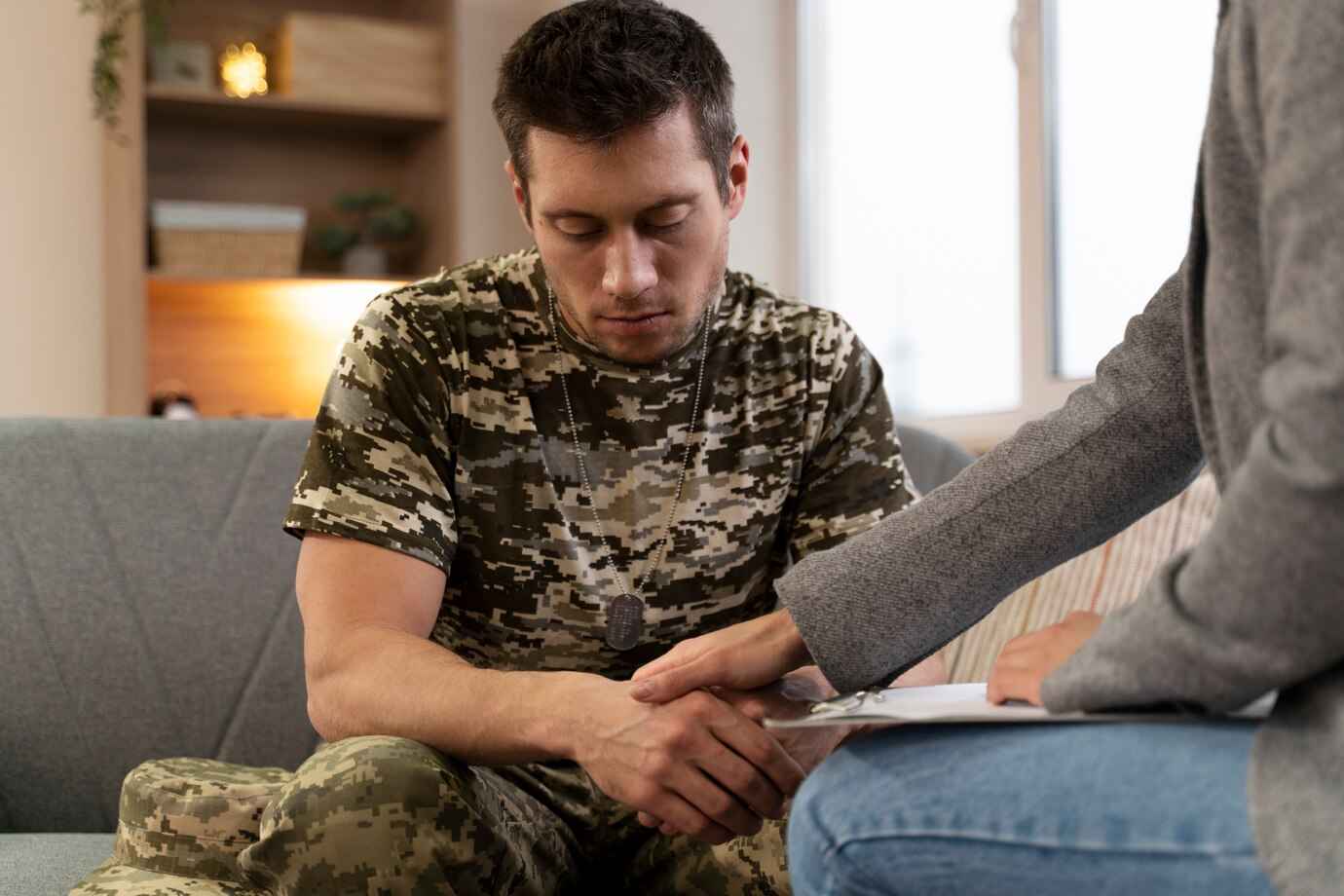
Table of Contents
Post-traumatic stress disorder is a mental illness that occurs after one undergoes severe trauma associated with life-threatening conditions, horrific accidents, or prolonged torture. Symptoms can be so intense that they sometimes limit treatment and hinder the individual from fully concentrating on personal growth or goals for the future.
Recovery is possible with the correct post traumatic stress disorder treatment and support. Many individuals go through a similar healing process after receiving professional help. This guide outlines some of the essential phases in the recovery process from PTSD, shedding light on the healing process with therapy and support.
Understanding PTSD: Why Does It Happen?
PTSD, or Post-Traumatic Stress Disorder, appears as a result when your brain cannot process the traumatic events. The trauma affects some brain structures so severely that it will change any future emotional and behavioral functioning. PTSD affects two key brain structures.
The amygdala becomes overactive, increasing fear and stress responses. The hippocampus shrinks, making it harder to process memories, leading to flashbacks. One further effect is the inconsistent functioning of the prefrontal cortex, which mainly inhibits unwanted emotional responses. This negation amuses instead of regulating fear and stress.
Common PTSD Symptoms:
- Re-experiencing: Flashbacks, nightmares, and distressing memories.
- Avoidance: Staying away from places, people, or thoughts related to trauma.
- Negative mood changes: Guilt, shame, depression, or emotional numbness.
- Heightened arousal: Irritability, sleep disturbances, and being easily startled.
Recognizing these changes is key to seeking post traumatic stress disorder treatment and PTSD therapy treatment.
Veterans and PTSD: A Unique Struggle
The military veteran who has gone into combat should prepare to face the ugly consequences of that fight on his mental health. For example, they may be exposed to violence, disruption in camaraderie, or perhaps a brush with death during their service.
Such trauma can quickly bring about some permanent changes in the brain, making it difficult for them to get back to normalcy unless the right help is made available.
Why Veteran PTSD Differs from Civilian PTSD
- Prolonged exposure to trauma: Unlike single-event trauma, veterans often endure multiple distressing events.
- Military culture: The emphasis on toughness may discourage seeking PTSD therapy treatment.
- Reintegration challenges: Transitioning to civilian life can heighten stress and emotional struggles.
- Survivor’s guilt: Losing fellow soldiers may cause deep emotional wounds and long-term distress.
Veterans require tailored post traumatic stress disorder treatment addressing their unique experiences. VA programs, trauma-focused therapy, and peer support groups provide effective recovery paths. Early intervention and veteran-specific care improve long-term healing and quality of life.
Stages of PTSD Recovery
Recovery from post-traumatic stress disorder (PTSD) involves progressing through several stages, each addressing different aspects of healing. Understanding these stages can help individuals and their support networks navigate recovery more effectively.
Stage 1: Impact or Emergency Stage
During this ponderous start, right after the traumatic event, these persons witness entwined and intense emotions of shock, fear, guilt, and anxiety. Physical reactions may be hypervigilance and an exaggerated startle response. This stage is an overwhelming experience, and I have difficulty comprehending the event.
Stage 2: Rescue Stage
People are now moving into a stage in which they are beginning to deal with the trauma. Support is sought, and the confrontation of the reality of what happened may begin. Anger, sadness, and hopelessness are common emotions experienced by the survivor. Professional help during this time is essential in helping the survivor’s ability to cope and preventing the onset of maladaptive behavior.
Stage 3: Intermediate Recovery Stage
In this stage, the essence of life develops in everyday living. On the one hand, coping abilities for managing symptoms are overtaken, and the same process will re-establish their routine. This stage is about learning how to navigate triggers and strengthening resilience. The method of positive reinforcement of these positive coping skills takes place in the setting of supportive therapy and peer groups.
Stage 4: Long-Term Reconstruction Stage
In the final stage, individuals focus on rebuilding and planning for the future. The trauma is not forgotten, but its grip on daily life diminishes. People often find new meaning and may engage in activities that promote personal growth and well-being. Ongoing support and self-care remain essential to maintain progress and prevent relapse.
Effective PTSD Treatment Options
Post traumatic stress disorder treatment involves various evidence-based therapies and holistic approaches. Choosing the proper PTSD therapy treatment depends on individual needs and symptom severity.
-
Cognitive Behavioral Therapy (CBT)
CBT helps individuals identify and challenge negative thoughts linked to trauma. Patients regain control over their emotions and behaviors by replacing distressing beliefs with healthier perspectives. This structured therapy improves emotional resilience and reduces PTSD symptoms.
-
Eye Movement Desensitization and Reprocessing (EMDR)
EMDR uses guided eye movements to help the brain reprocess traumatic memories. This technique reduces the emotional intensity of past events, allowing individuals to heal without reliving their trauma. EMDR is highly effective in alleviating PTSD symptoms.
-
Prolonged Exposure Therapy
This therapy gradually exposes individuals to trauma-related thoughts, memories, or situations in a controlled setting. By facing their fears, patients learn that traumatic memories are no longer dangerous. Over time, anxiety and avoidance behaviors decrease.
-
Medication and Holistic Approaches
- Medication: Antidepressants like SSRIs and SNRIs help regulate mood, anxiety, and sleep disturbances.
- Holistic Methods: Yoga, meditation, acupuncture, and nutrition therapy support emotional and physical healing.
- Lifestyle Changes: Regular exercise, healthy sleep routines, and social support improve overall well-being.
A combination of professional therapy, medication, and holistic approaches enhances PTSD recovery, promoting long-term emotional stability.
The Role of Support in PTSD Recovery
Support from family, friends, and other constituents affects the course of recovery from PTSD. Family and friends extend emotional support, encouragement, and instrumental assistance. Their listening ear, reassurance, and help with daily activities make a huge difference. From veterans’ organizations to mental health agencies, community resources provide valuable posttrauma assistance.
- PTSD Support Groups: Connecting with others with similar experiences reduces isolation and provides coping strategies.
- Self-Care Practices: A balanced diet, regular exercise, and mindfulness improve emotional well-being and resilience.
- Holistic Healing: Meditation, deep breathing, and journaling aid in emotional regulation and stress management.
A combination of strong relationships, PTSD therapy treatment, and self-care fosters long-term healing and recovery, promoting emotional stability, resilience, and overall well-being. Support groups, mindfulness, healthy habits, and professional guidance play essential roles in regaining control and building a healthier future.
Seeking Professional Help: Taking the First Step
Recognizing the need for PTSD therapy treatment is a crucial step toward recovery. If symptoms persist for weeks, interfere with daily life, or worsen over time, seeking professional help is essential. Therapy provides structured support to process trauma and develop coping strategies.
- When to Seek Therapy: If flashbacks, nightmares, or anxiety disrupt daily activities, professional guidance can help manage symptoms.
- Finding the Right Treatment Program: Look for licensed therapists specializing in post traumatic stress disorder treatment, such as CBT, EMDR, or exposure therapy. Veteran programs and trauma-focused clinics also offer tailored care.
- Encouragement for Those Struggling: PTSD recovery takes time, but healing is possible. Seeking help is a sign of strength; the right support system can make all the difference.
Conclusion
TSD recovery is a journey that requires patience, support, and the proper treatment. Healing is possible with professional help, self-care, and a strong support system. Resilience grows with time, and every step forward is a victory.
If you or a loved one is struggling, take the first step toward recovery today. Seek professional PTSD therapy treatment, connect with support groups, and prioritize self-care. You are not alone; help is available, and a healthier future awaits.
Ready to start your recovery journey?
Insight Choices offers expert mental health care, personalized PTSD treatment plans, and compassionate support. Schedule an appointment today and take the first step toward healing.
FAQs
What are the most effective therapy treatments for PTSD in 2025?

CBT, EMDR, and Prolonged Exposure Therapy remain the most effective treatments. Digital therapy, virtual reality exposure, and AI-driven mental health tools provide innovative ways to enhance recovery and accessibility.
How do PTSD symptoms vary between veterans and civilians?
Veterans often experience PTSD due to combat, leading to hypervigilance, survivor’s guilt, and difficulty adjusting to civilian life. Civilians may develop PTSD from accidents, abuse, or disasters, with symptoms differing based on trauma type and personal coping mechanisms.
What are the key stages of PTSD recovery, and how long do they typically last?
Recovery happens in four stages: Emergency (shock), Rescue (processing trauma), Intermediate (coping skills), and Reconstruction (long-term healing). The timeline varies by individual, ranging from several months to years, depending on treatment and personal resilience.
How can family and friends support someone going through PTSD treatment?
Emotional support, patience, and understanding are crucial. Listening without judgment, encouraging PTSD therapy treatment, and helping with daily tasks create a sense of stability. Providing a safe space and promoting self-care also contribute to healing.
What role does holistic healing (diet, exercise, mindfulness) play in PTSD recovery?
A balanced diet supports brain health, regular exercise reduces stress, and mindfulness improves emotional regulation. Practices like meditation, deep breathing, and journaling enhance overall well-being and complement professional PTSD therapy treatment.
Share this