

TMS Therapy: A Revolutionary Approach to Treating Depression

Lourdes Lopez-Martinez
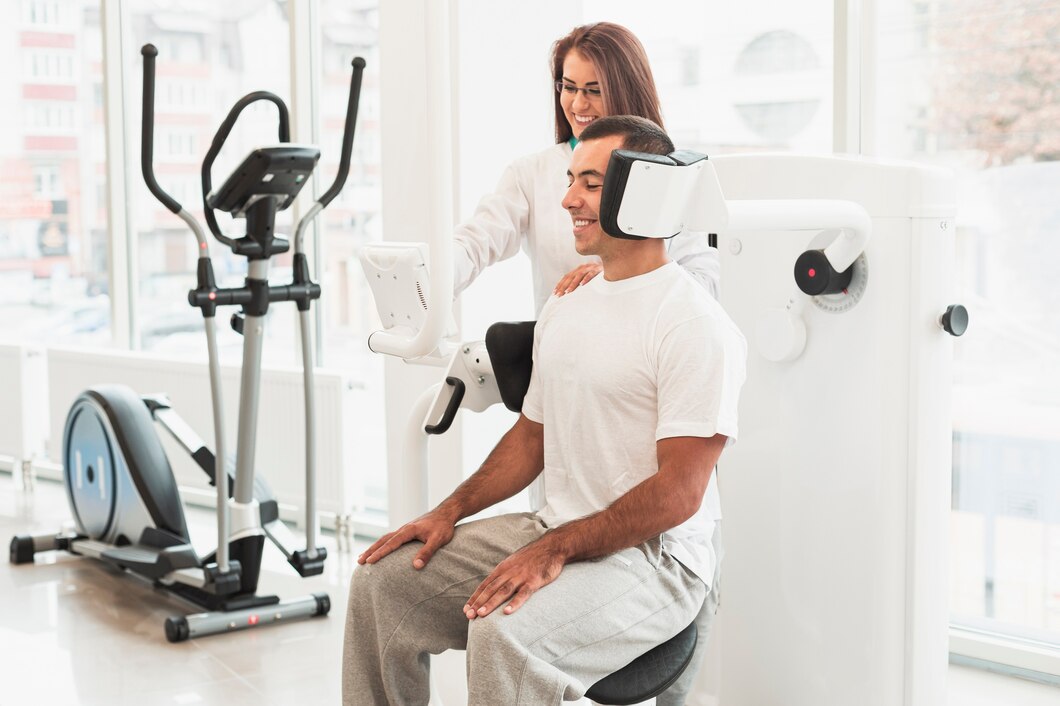
Table of Contents
Depression is a widespread mental health condition that affects millions of individuals globally and frequently proves resistant to conventional treatments such as medication and psychotherapy. For those experiencing persistent symptoms, identifying an effective therapeutic intervention can be challenging. Recent advancements in neuroscience have led to innovative treatment modalities, including TMS treatment for depression.
This non-invasive, FDA-approved procedure utilizes magnetic pulses to target specific brain regions involved in mood regulation. TMS presents a viable option for individuals who have not achieved symptom relief through traditional approaches. As empirical evidence continues to support its efficacy, TMS is gaining recognition as a significant advancement in the treatment of depression.
What is TMS Therapy?
TMS (Transcranial Magnetic Stimulation) is a noninvasive neuromodulation technique that utilizes electromagnetic pulses to stimulate specific nerve cells in the brain. Due to the repetitive nature of these pulses, the procedure is often referred to as repetitive transcranial magnetic stimulation (rTMS)—both terms are commonly used interchangeably.
Clinical Applications of TMS
TMS has demonstrated potential in alleviating symptoms of various neurological and psychiatric conditions, including:
- Major Depressive Disorder (MDD)
- Obsessive-Compulsive Disorder (OCD)
- Anxiety Disorders
- Post-Traumatic Stress Disorder (PTSD)
- Motor Impairments related to Parkinson’s disease, multiple sclerosis, or stroke
Among these, TMS has received FDA approval specifically for the treatment of depression, offering an alternative for individuals who have not achieved sufficient relief from antidepressant medications or psychotherapy. Emerging research also suggests potential benefits for other disorders, such as anxiety and Parkinson’s disease.
Possible Side Effects and Risks
TMS is generally well tolerated, with side effects being uncommon and mild. When they do occur, they may include:
- Mild headaches (most common)
- Lightheadedness
- Scalp or neck pain
- Tingling or facial twitching
- Drowsiness
- Temporary cognitive changes
These symptoms, particularly headaches and lightheadedness, usually subside after several sessions. Though rare, there is a small risk of seizures.
Risk Associated
TMS Transcranial Magnetic Stimulation is not suitable for individuals with metal implants in or near the head, including:
- Deep brain stimulators, electrodes, or stents
- Aneurysm clips, coils, or metal fragments
- Facial tattoos with metallic ink
- Cochlear implants, permanent piercings, or metal plates
The magnetic field can cause these objects to heat up or shift, leading to serious injury. However, braces and dental fillings are safe.
Additional Considerations
TMS may not be recommended for individuals with:
- A history of epilepsy or seizures
- Use of stimulant medications
- Medical conditions increasing seizure risk
A thorough medical evaluation is required to determine eligibility for treatment.
How TMS Helps Treat Depression
TMS targets the dorsolateral prefrontal cortex (DLPFC), a brain region linked to mood regulation. Depression is associated with reduced activity in this area. Magnetic pulses stimulate underactive nerve cells, restoring normal function and enhancing neuroplasticity—the brain’s ability to form new connections. This non-invasive, medication-free therapy helps improve mood and relieve symptoms in individuals with TMS treatment for depression.
How Does TMS Work?
Transcranial Magnetic Stimulation (TMS) uses targeted magnetic pulses to stimulate neurons in brain regions responsible for mood and emotional regulation. The treatment process involves the following steps:
- Preparation:
- The patient sits in a comfortable chair.
- A magnetic coil is positioned on the scalp near the forehead.
- Stimulation:
- The coil emits painless magnetic pulses.
- These pulses activate underactive brain regions, promoting neural activity.
- Duration:
- Each session lasts approximately 20–40 minutes.
- Treatment typically occurs five days per week for 4–6 weeks.
- Post-Treatment:
- Patients can immediately return to daily activities without downtime.
Why is TMS a Breakthrough?
- Effective Treatment-Resistant Depression: TMS has demonstrated significant efficacy in improving symptoms for individuals with depression who have not responded to conventional treatments.
- Safe and Well-Tolerated: Unlike pharmacological treatments, TMS does not cause systemic side effects such as weight gain, nausea, or drowsiness. Any side effects that may occur are typically mild and short-lived, the most common being mild scalp discomfort during treatment and temporary headaches.
- Targeted Mood Regulation: TMS directly stimulates the brain regions responsible for regulating mood, offering a more targeted approach than traditional treatments, which can have broader effects on the body.
- Evidence-Based Efficacy: TMS is FDA-approved for treating major depressive disorder (MDD). It is supported by a growing body of clinical research and real-world data, establishing its effectiveness and reliability.
- Sustained Benefits: Research indicates that TMS’s positive effects are often long-lasting. Patients with TMS therapy can experience clinical improvements for up to 12 months. Additionally, retreatment options are available should symptoms recur.
TMS represents a promising and well-established treatment option for individuals with depression, particularly those for whom traditional therapies have been ineffective.
Benefits of TMS Therapy for Depression
TMS therapy offers several potential benefits, with ongoing research exploring its applications for various conditions. Currently, TMS is recognized for its effectiveness in treating the following disorders:
TMS Treatment for Depression
TMS is primarily indicated for individuals with major depressive disorder (MDD), particularly those who have not found relief through traditional treatments, such as medication or psychotherapy. Many patients are now exploring TMS treatment for depression as a promising alternative when other therapies have failed.
Depression is often associated with decreased activity in the prefrontal cortex, a brain region that plays a key role in regulating energy levels, mood, and appetite. TMS depression therapy works by stimulating nerve cells in this area, potentially enhancing its activity and helping alleviate the symptoms of depression.
TMS for Obsessive-Compulsive Disorder (OCD)
In addition to its use in depression, TMS has shown promise in treating obsessive-compulsive disorder (OCD), especially for individuals who have not responded to conventional treatments. Research suggests that OCD is associated with hyperactivity and abnormal connectivity between the prefrontal cortex and the striatum, which contributes to the severity of symptoms. TMS may help by inhibiting this excessive brain activity, potentially reducing OCD symptoms.
While TMS has demonstrated potential in treating OCD, its use in this context is still under investigation, and further research is needed to establish the most effective protocols for treatment.
TMS for Anxiety
Given its effects on mood-regulating brain areas, TMS may also benefit individuals with anxiety disorders, including generalized anxiety disorder (GAD). Anxiety often co-occurs with depression and OCD, with similar patterns of brain activity in the prefrontal cortex. Research has indicated that TMS can reduce overactive neural activity in this region, potentially alleviating anxiety symptoms.
TMS for Post-Traumatic Stress Disorder (PTSD)
TMS has also been explored as a treatment for post-traumatic stress disorder (PTSD). By targeting the prefrontal cortex, which is involved in the regulation of fear and emotional responses, TMS Transcranial Magnetic Stimulation may help mitigate PTSD symptoms.
TMS offers a promising treatment option for a variety of mental health conditions, particularly for individuals who have not experienced relief from traditional therapeutic methods. However, further studies are necessary to fully understand its mechanisms and refine treatment protocols for different conditions.
Who Can Benefit from TMS Therapy?
TMS therapy is particularly beneficial for individuals who meet the following criteria:
- Treatment-Resistant Depression (TRD): Individuals who have not responded to two or more antidepressant medications.
- Intolerance to Medication Side Effects: Those who experience significant side effects from antidepressant medications that affect their quality of life.
- Preference for Non-Pharmacologic Treatments: Patients prefer a treatment approach that does not rely on medications.
- Desire to Avoid Invasive Therapies: Individuals seeking an alternative to more invasive treatments, such as electroconvulsive therapy (ECT).
TMS is a promising option for individuals who fall into these categories, offering a non-invasive, medication-free treatment for depression and other related disorders.
What to Expect During a TMS Treatment Session
TMS therapy is an outpatient procedure in a medical clinic or hospital without needing an overnight stay.
Before the session, you will be asked to remove any items sensitive to magnets, such as jewelry. During the procedure:
- You will wear earplugs to reduce the noise from the magnetic pulses.
- You will sit in a comfortable chair while remaining awake, as no anesthesia is required.
- The technician will measure your head to determine the proper placement of the magnetic coil and adjust the machine settings accordingly.
- The coil will be positioned over the front of your brain, and the treatment will begin.
During the procedure, you may hear a clicking sound and feel a tapping sensation. Sessions typically last 30 to 60 minutes, and you can drive yourself home afterward.
TMS is usually administered five days a week for 4 to 6 weeks, with the duration of treatment varying depending on your condition and response.
Advantages of TMS Therapy with Other Treatments
TMS vs. Medications
- Targeted Treatment: TMS directly stimulates specific brain areas involved in mood regulation, whereas medications affect the entire body.
- Minimal Side Effects: TMS typically causes fewer side effects, avoiding common systemic issues such as gastrointestinal discomfort or hormonal changes seen with medications.
TMS vs. Electroconvulsive Therapy (ECT)
- Non-Invasive: Unlike ECT, which requires anesthesia and hospitalization, TMS is a non-invasive outpatient procedure.
- No Cognitive Side Effects: TMS does not result in memory loss or other cognitive impairments often associated with ECT.
Conclusion
TMS Transcranial Magnetic Stimulation targets specific areas of the brain to regulate nerve cell activity, offering potential relief for individuals with depression, OCD, anxiety, and PTSD. Additionally, TMS may aid in improving motor function for those affected by conditions like Parkinson’s disease, multiple sclerosis, or during stroke recovery.
If you’re considering TMS therapy, consult a healthcare professional to determine if it suits you. You may be an ideal candidate if you are younger, have a low risk of seizures, and have not responded to traditional antidepressants.
For more information on how TMS could benefit you, contact Insight Choices to explore your treatment options.
FAQs
How does TMS therapy work for depression?

TMS therapy uses magnetic pulses to stimulate specific areas of the brain involved in mood regulation, helping to improve symptoms of depression by increasing neural activity in these regions.
Is TMS therapy effective for everyone?
TMS therapy is effective for many individuals, particularly those with treatment-resistant depression, but results can vary. It may not work for everyone, and its effectiveness depends on individual factors.
How long does it take to see results from TMS therapy?
Patients may notice improvements within 2 to 4 weeks of treatment, though optimal results typically develop after 6 weeks of consistent sessions.
Are there any side effects of TMS therapy?
TMS therapy generally has minimal side effects. Common side effects include mild scalp discomfort and temporary headaches. Unlike medications, it does not cause systemic side effects like weight gain or drowsiness.
Can TMS be used alongside other depression treatments?
To enhance effectiveness, TMS can be combined with other treatments, such as medications or psychotherapy. Always consult a healthcare provider before combining therapies.
Share this