

What If Depression Isn’t Just Sadness? Explore Its Depths
Depression is more than just feeling down—it’s a complex mental health condition with various types, symptoms, and treatments. At Insight Choices, we empower individuals to explore this complexity and connect with the support they need, whether for postpartum depression, major depressive disorder (MDD), or bipolar depression.

Signs of Depression You Shouldn’t Ignore
Depression symptoms can range from mild to severe. Common signs include.
- Persistent feelings of sadness or emptiness
- Loss of interest in activities or relationships
- Changes in appetite and sleep patterns (overeating, undereating, insomnia, or oversleeping).
- Fatigue, even after rest
- Feelings of worthlessness or guilt
- Difficulty concentrating or making decisions
- Physical symptoms like headaches, digestive issues, or chronic pain
- Thoughts of death or suicide in severe cases
Types of Depression: More Than Just Feeling Blue
| Aspect | Postpartum Depression (PPD) | Major Depressive Disorder (MDD) | Bipolar Depression |
|---|---|---|---|
| Meaning | PPD is a condition that occurs after childbirth and isn’t equal to the “baby blues.” It’s indicated by surprising mood swings that can compromise function and interaction with the baby. | MDD or clinical depression is indicated by a depressed mood for a long duration and loss of interest in activities undertaken to execute daily tasks. | Bipolar Disorder Manifests with Episodes of Depression and Mania. The depressive stage of this illness is sometimes called bipolar depression, in which an individual has low energy and interest |
| Depression Symptoms |
1. Persistent despair or mood swings
2. Anxiety, crankiness, or anger 3. Trouble adhesion to the newborn 4. Feelings of shame or guilt |
1. Loss of energy, motivation, and interest in once enjoyable activities
2. Change in sleep routine, appetite, and attention. 3. Time must be over two weeks, though it can happen again. |
1. Mostly similar to MDD but swings with periods of focus (high energy, impulsivity)
2. Depressive episodes may seem worse or last longer. |
| Key Distinction | Occurs after childbirth, hormone-related | Episodes last weeks, affect daily life | Occurs within the bipolar disorder cycle |
Exploring the Root Causes of Depression
Depression often arises from a combination of genetic, biological, environmental, and psychological factors:
- Genetics: A family history of depression increases the likelihood of developing the condition.
- Brain Chemistry:An imbalance in neurotransmitters can disrupt mood regulation.
- Environment:Stressful life events, trauma, or lack of social support can contribute.
- Hormones:Hormonal fluctuations, especially postpartum, can trigger depression.

How to Manage Depression: Practical Daily Tips
- Create a Routine:Establishing daily structure can bring stability and predictability.
- Stay ActiveRegular physical activity, even a short walk, can boost mood and energy.
- Practice Self-Compassion:Be kind to yourself and avoid harsh self-criticism.
- Build a Support Network:Seek connection and encouragement from friends, family, or support groups.
- Engage in Mindfulness:Activities like deep breathing and meditation can help reduce stress and promote focus.
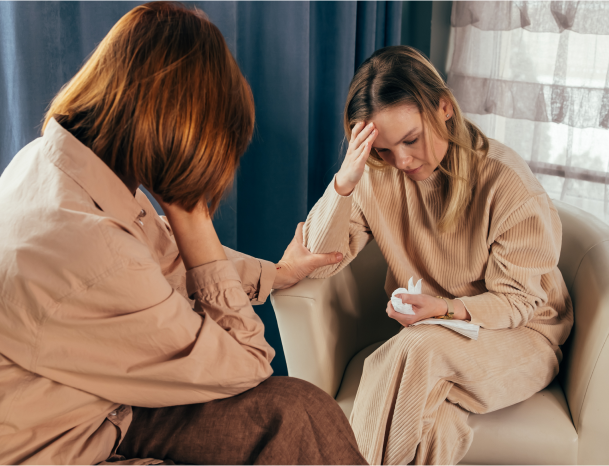
Take the First Step Toward Healing with Insight Choices
Depression can feel overwhelming, but you don’t have to face it alone. Insight Choices offers compassionate care to help you find balance and reclaim a brighter future. Call today to learn more about treatment options for postpartum depression and major depressive disorder and begin your journey to wellness.
Frequently Asked Questions
Browse common questions to quickly find what you’re looking for.
Is postpartum depression curable?

Yes, postpartum depression can be effectively managed with therapy, and in some cases, medication.
What’s the difference between major depressive disorder and bipolar depression?
MDD involves continuous depressive episodes, while bipolar depression is part of bipolar disorder and alternates with manic episodes.
How long does it take to feel better after starting treatment?
The timeline varies. Some individuals notice improvement within weeks, while others may require months. Consistency in therapy and support is key to progress.
Can lifestyle changes help with depression?
Yes. When combined with professional treatment, lifestyle changes such as regular exercise, healthy eating, and improved sleep can significantly enhance well-being.
Is medication always required for depression treatment?
No. For some individuals, therapy alone is sufficient, while others benefit from a combination of therapy and medication.