

Non-invasive, Drug Free, FDA Approved Treatment
323-952-2312 – Insight Choices TMS Department
A Breakthrough in Depression Treatment Without Medication
Depression, anxiety, and other mental health conditions can make even the simplest tasks feel overwhelming. If you’ve tried therapy, lifestyle changes, and medication without success, you might be wondering if there’s another way to feel better. The answer is yes.
Insight Choices provides Transcranial Magnetic Stimulation (TMS) therapy, an advanced, FDA-approved, non-invasive treatment that helps reactivate underperforming areas of the brain linked to depression and mood disorders.
Unlike medication, which alters brain chemistry throughout the body, TMS directly targets the root cause—stimulating neural activity to restore balance and improve well-being.
If antidepressants haven’t worked, if side effects have made treatment intolerable, or if you’re looking for a proven, medication-free alternative, TMS could be the right choice for you.
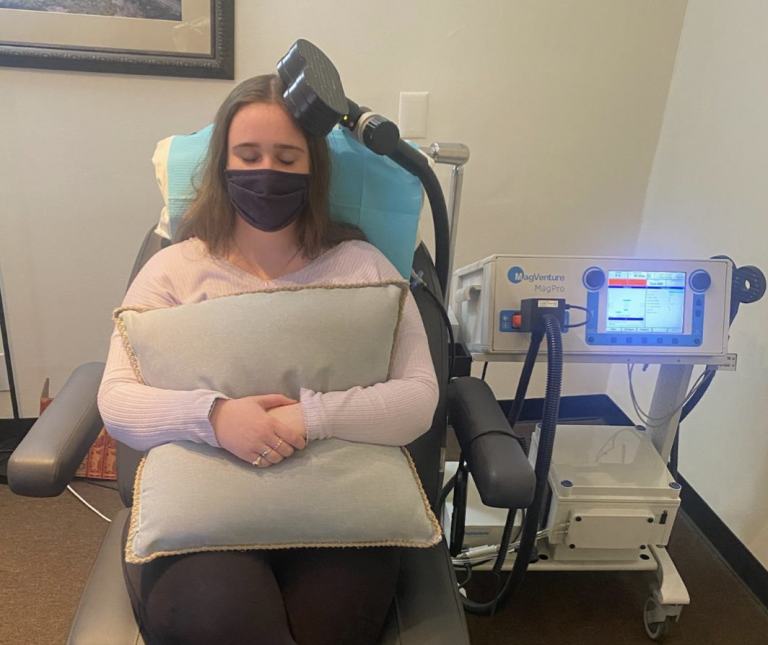
The Science Behind TMS: A Smarter Approach to Healing
TMS therapy works by sending gentle magnetic pulses to specific regions of the brain, particularly the prefrontal cortex, which is responsible for mood regulation.
How TMS Works in Five Steps
- Precise Brain Stimulation – A specialized device delivers focused magnetic pulses to stimulate neural pathways that regulate mood.
- Reactivating Neural Activity – These pulses encourage new neural connections, helping the brain function more effectively.
- Gradual Improvement – The brain learns to regulate emotions more effectively over multiple sessions, reducing symptoms naturally.
- Lasting Results – Many patients experience sustained symptom relief, even after treatment is completed.
- A Drug-Free Alternative – TMS works without medication, meaning no systemic side effects.
TMS therapy is painless, non-invasive, and requires no anesthesia, making it a safe and effective option for people seeking a lasting solution to depression.

Who Can Benefit from TMS Therapy?
If you’ve tried other treatments but still struggle with mental health symptoms, TMS might be the next step.
TMS is Recommended For Individuals Who:
- Have treatment-resistant depression (TRD)—meaning previous medications or therapy haven’t worked.
- Experience severe side effects from antidepressants such as weight gain, nausea, fatigue, or emotional blunting.
- Want a non-invasive, drug-free approach to treating mental health conditions.
- Have anxiety, OCD, PTSD, or other conditions that can benefit from brain stimulation therapy.
- Need a more advanced, long-term solution for managing symptoms without dependency on medication.
If you’ve felt trapped by depression and haven’t found relief with traditional treatments, TMS can offer a fresh start.

The TMS Treatment Process at Insight Choices Marina Del Rey
Insight Choices prioritizes personalized care and cutting-edge technology to ensure the best possible results for every patient.
Your Treatment Journey
Step 1: Comprehensive Evaluation
We begin by in-depth assessing your medical history, symptoms, and treatment history to determine whether TMS is right for you.
Step 2: Personalized Brain Mapping
Our specialists use advanced imaging technology to target the areas of your brain that need stimulation precisely.
Step 3: Comfortable TMS Treatment Sessions
- You will sit in a comfortable chair while the TMS coil is placed against your scalp.
- The device emits gentle, targeted pulses to stimulate brain function.
- Each session lasts about 20-40 minutes—no sedation or downtime required.
Step 4: Progress Monitoring & Adjustments
We track your response to treatment, adjusting the protocol as needed to maximize effectiveness.
Step 5: Long-Term Benefits & Aftercare
Once treatment is complete, many individuals experience significant improvements in mood, motivation, and energy levels.

How TMS Compares to Other Depression Treatments
Many people struggling with depression assume medication is the only solution, but that isn’t always the case. TMS provides a unique alternative that eliminates the drawbacks of traditional treatments.
| Treatment | Effectiveness | Side Effects | Downtime | Long-Term Benefits |
|---|---|---|---|---|
| Antidepressants | Works for some, but not all | Weight gain, drowsiness, nausea, emotional blunting | No physical downtime | Only works while medication is taken |
| Talk Therapy | Beneficial for emotional support but may not relieve | severe symptoms | No downtime | It can take months or years to see a change |
| Electroconvulsive Therapy (ECT) | Effective for severe depression | Memory loss, anesthesia risks | Requires recovery time | Can have long-term benefits but carries risks |
| TMS Therapy | Patients experience significant improvement | Mild headache or scalp discomfort (temporary) | No downtime—resume normal activities immediately | Results often last beyond treatment completion |
By directly stimulating the brain’s natural healing process, TMS provides a smarter, more targeted approach to depression treatment.
Why Choose Insight Choices Marina Del Rey for TMS?
With many TMS providers available, selecting the right clinic makes all the difference in your experience and results. We take a patient-first approach, combining advanced technology with compassionate care.
What Makes Us Stand Out?
- Unmatched Expertise – With over 500 successful TMS treatments, we have the experience to deliver exceptional care.
- State-of-the-Art Technology – We use the latest FDA-approved TMS devices, ensuring precise, effective, and comfortable treatment.
- Customized Treatment Plans – No two patients are the same. We tailor your TMS therapy to your specific condition and needs.
- A Relaxing, Supportive Environment – Our Marina Del Rey clinic is designed to provide a calm, welcoming atmosphere for every patient.
- Convenience & Accessibility – Unlike other treatments, TMS fits into your daily life, allowing you to immediately return to work and normal activities.
Your mental well-being is our priority—we’re here to help you regain control of your life.

Unlocking the Brain's Potential with TMS

Take the First Step Toward Healing Today
If you’re ready to break free from depression, TMS therapy at Insight Choices Marina Del Rey can provide the relief you deserve.
Get Started with TMS Today
Request an Appointment
A healthier, brighter future is within reach. Let’s take this journey together.
Frequently Asked Questions
Browse common questions to quickly find what you’re looking for.
How does TMS therapy differ from Electroconvulsive Therapy (ECT)?

Unlike ECT, which requires anesthesia and can cause memory loss, TMS is a non-invasive, painless procedure with minimal side effects. It stimulates brain activity using magnetic pulses rather than electrical shocks, making it a safer option for many patients.
Can TMS therapy help with mental health conditions beyond depression?
Yes, while TMS is primarily known for treating depression, it has also shown benefits for anxiety, OCD, PTSD, and other mood disorders by improving brain function and emotional regulation.
How long do the effects of TMS last after treatment ends?
Many patients experience long-term symptom relief, with benefits lasting months or even years. However, results vary; some individuals may need maintenance sessions to sustain improvements.
Is there an adjustment period when starting TMS, like with antidepressants?
No, unlike antidepressants that require weeks to take effect and may cause initial side effects, TMS typically leads to gradual improvements without an adaptation phase or systemic side effects.
Can I continue therapy or other treatments while undergoing TMS?
Absolutely! TMS can complement existing treatments, including talk therapy or medication, for a more comprehensive approach to mental health care.